
Within the LGBTQIA+ community there are needs that may cause providers to exhibit specific skills sets and willingness to answer the call of duties specific to the needs of the community. In this comes a very important distinction between what is affirming care versus accepting providers. An accepting provider is open to working with someone who is part of the LGBTQIA+ community. An affirming provider is something deeper. Not only does this include accepting client’s identities, but also a willingness to advocate and support client’s in getting their needs met, being an active supportive part of their journeys, acknowledgment and support around challenges that may arise specific to being a part of this community.
As mental health care providers, being affirming providers is something taken very seriously at Equilibrium. We want clients to know they are going to be supported in every step of their journey in an affirming space. This means supporting questioning clients as well as clients who have already come out. Being affirming care providers also means we are here to advocate for all things that come with this, including providing affirming care letters of recommendation for medically based interventions and being a part of a client’s treatment team.
Mental health care providers are required to actively seek continued education units to maintain credentials for licensure. Being an affirming care provider means not referring out for things like affirming care letters or ESA’s. Equilibrium encourages other providers, if you are going to say you support your clients, take CEU’s (Continuing Education Units) that actively show you are educating yourself so you can support all your clients. It is our belief those CEUs should be focused on supporting our clients in every way we can within our scope of practice. For Equilibrium we consider being up to date on WPATH standards to be able to provide letters of support for affirming care to be part of our standard practices. Again this is what sets the accepting providers apart from the affirming providers. It’s not seen as an optional thing to provide these services or accept liability to write a letter for life saving affirming services to be accessible to our clients. It’s just part of what one does if they are truly affirming and advocating for their client’s needs.


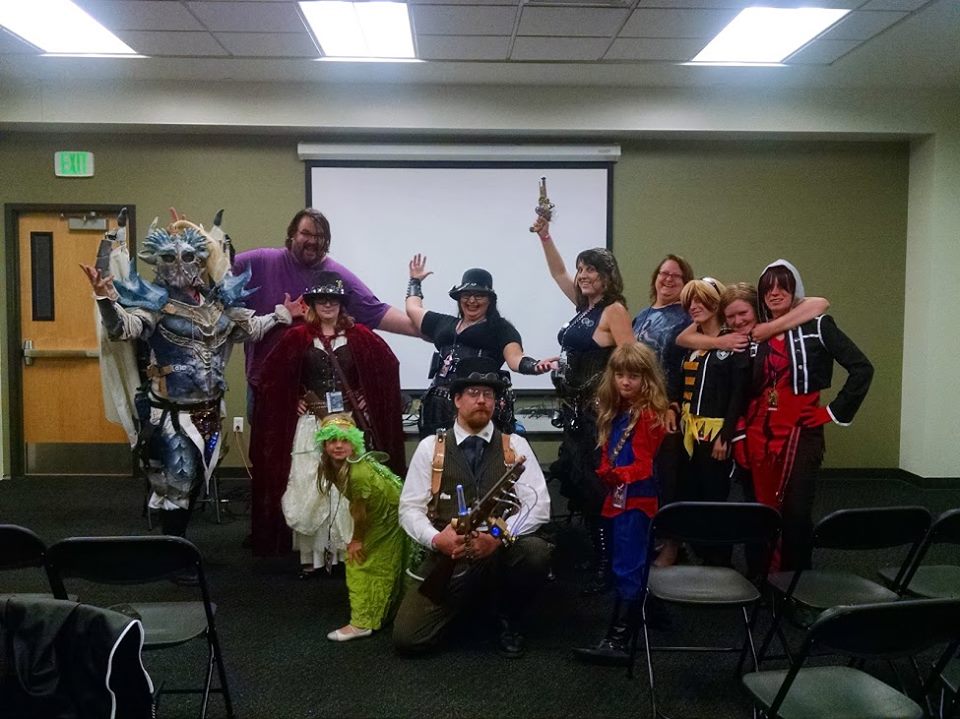 Geek Therapy (also known as Super Hero Therapy) utilizes fandoms, cosplay, and activities, the client is interested in to make information more accessible and use the client’s current strengths to help them move forward. Fandom refers to a subculture composed of fans characterized by a feeling of empathy and camaraderie with others who share a common interest. Fans typically are interested in even minor details of the object(s) of their fandom and spend a significant portion of their time and energy involved with their interest, often as a part of a social network (En.wikipedia.org, 2017). Sherlock Holmes is considered by many to be the world’s oldest fandom.
 Equilibrium Counseling Services